
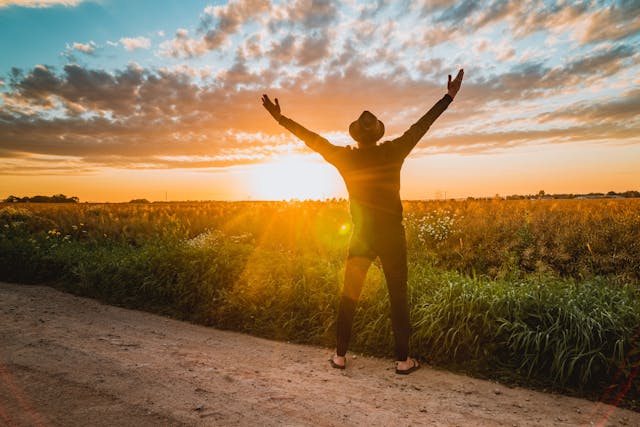
Gratitude is more than a simple thank you. It’s a powerful practice that reshapes how we think, how we feel, and even how we live. In a world filled with endless distractions, stress, and challenges, choosing gratitude is like choosing to light a candle in the dark—it doesn’t erase the darkness, but it makes it bearable, even beautiful. If you’ve ever wondered why people who practice gratitude often seem happier, healthier, and more at peace, it’s because gratitude truly changes everything. Here are ten compelling reasons to start practicing gratitude daily—and how to actually do it in ways that will change your mindset, health, and relationships.
1. Gratitude rewires your brain for positivity
When you focus on gratitude, your brain begins to filter life differently. Instead of zooming in on what’s wrong, it starts to notice what’s right. Research shows that people who practice gratitude develop stronger neural pathways toward optimism, resilience, and joy. An easy start? Every morning, write down three things you’re grateful for before looking at your phone. Over time, this small act trains your brain to see more good in your life.
2. It reduces stress and anxiety naturally
Stress thrives on worry and scarcity. Gratitude thrives on abundance. When you practice gratitude, your body produces less cortisol (the stress hormone), creating a calmer mental state. Try this: The next time you feel anxious, pause, take a deep breath, and silently list five things you appreciate in that exact moment—whether it’s the air you’re breathing, the roof over your head, or the chance to start fresh.
3. Gratitude strengthens your immune system
A grateful mindset does more than improve your mood—it impacts your physical health. Studies suggest that people who consistently practice gratitude experience stronger immunity, fewer aches, and faster recovery from illness. You can reinforce this by combining gratitude with movement: during a short walk, mentally thank your body for carrying you, your legs for moving you, and your heart for keeping you alive.
4. It improves your sleep quality
One of the hidden benefits of gratitude is deeper, more restful sleep. When you go to bed with a mind full of worries, your brain stays restless. Gratitude calms that noise by shifting focus to peace. Instead of scrolling at night, write down the best moment of your day—no matter how small. This helps your mind settle into rest instead of racing into stress.
5. Gratitude strengthens relationships
When was the last time you told someone you appreciate them? Expressing gratitude deepens trust and connection. It turns ordinary relationships into bonds of support and love. You can practice this by texting one person daily with a short note of appreciation. Over time, those simple words build bridges that transform friendships, marriages, and even workplace connections.
6. It boosts your motivation and energy
Gratitude fuels progress. When you’re thankful for how far you’ve come, you’re more motivated to keep moving forward. Instead of focusing on what you haven’t achieved, gratitude shifts your attention to victories—big or small. Create a gratitude jar: every week, write down one achievement or blessing and drop it in. At the end of the year, you’ll see just how much you’ve grown.
7. Gratitude makes you more resilient
Life is unpredictable, but gratitude helps you endure the storms. When you train your mind to find light even in dark times, challenges lose their power to break you. Practice this during setbacks: ask yourself, “What lesson or hidden gift can I find here?” That shift from frustration to gratitude builds resilience muscles you didn’t know you had.
8. It shifts your perspective on success
Without gratitude, success feels hollow—you’ll always crave more. Gratitude reminds you that joy is not in what you’re chasing but in appreciating what you already have. Start your mornings with gratitude for simple wins: the chance to wake up, your children’s laughter, or the meal on your table. This doesn’t stop ambition—it fuels it with contentment rather than desperation.
9. Gratitude makes you more present
When you’re grateful, you’re not living in the “what if” or the “what’s next.” You’re here. Now. Fully. This presence allows you to enjoy your coffee instead of rushing through it, to listen deeply instead of waiting to respond, to savor life instead of sleepwalking through it. To practice, pause three times a day and ask yourself: “What can I appreciate in this exact moment?”
10. Gratitude creates a ripple effect of kindness
When you practice gratitude, you unconsciously inspire others. Grateful people are more generous, compassionate, and forgiving. The energy you carry spreads. Imagine a world where your gratitude sparks someone else’s kindness, which then inspires another’s hope. Start this ripple by simply saying thank you more often—with sincerity, not habit.
How to bring this into your daily life
The beauty of gratitude is that it doesn’t require money, equipment, or hours of your time. It only requires intention. Choose one practice—gratitude journaling, verbal appreciation, or mindful pauses—and do it consistently. Gratitude is not about ignoring hardships; it’s about refusing to let them define you. Over time, this practice won’t just change your days—it will change your life.
Gratitude is not just a habit. It’s a lifestyle. It’s the quiet strength that carries you when life feels heavy, the gentle reminder that you already have more than enough, and the daily choice to see beauty in the ordinary. Start small, stay consistent, and watch how gratitude transforms your health, your relationships, and your entire perspective on life.
Disclaimer:
The information on Health Shred is here to educate and inspire, but it’s not meant to replace professional medical advice. We encourage you to check in with your doctor before starting any new exercise, diet, or wellness routine — everyone’s body is unique, and what works for one person may not work for another. Your health and safety always come first!

 HEALTH SHRED
Leave a comment