
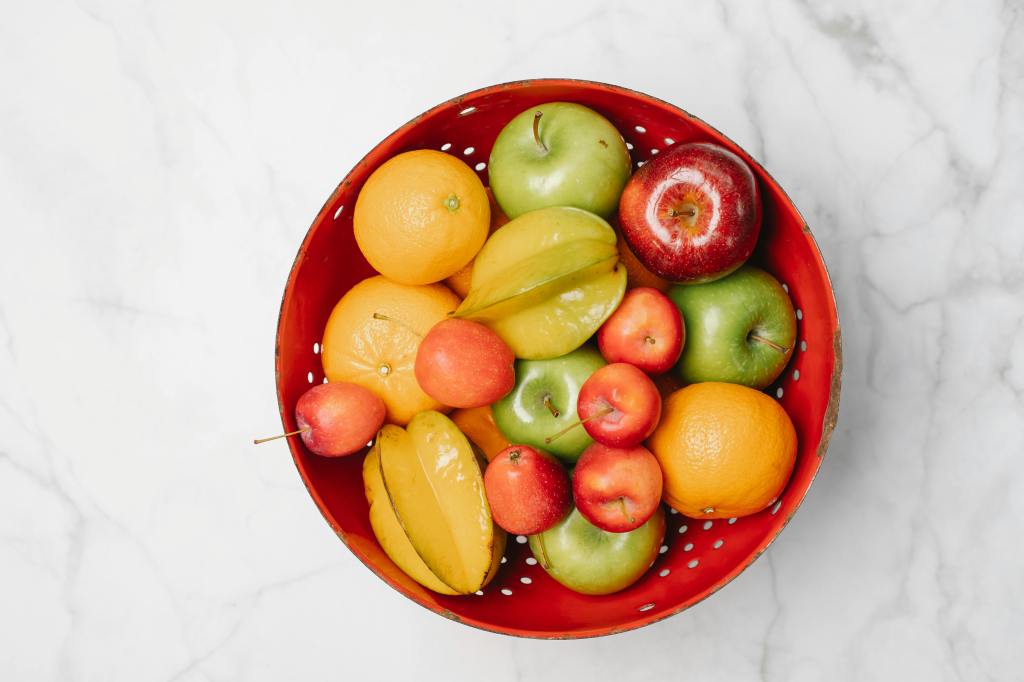
There is a quiet moment in every woman’s morning where she decides the tone of her entire day. Sometimes it’s standing at the kitchen counter, torn between grabbing something quick or actually choosing what will fuel her goals. And lately, fruit salad has become the go-to. It feels light, refreshing, and effortless. But is it truly the best breakfast for a fat-loss journey, or does it leave you hungry, drained, and wondering why the scale isn’t shifting?
Fruit salad can be both a blessing and a setback depending on how you use it. On its own, it’s hydrating and nutrient-dense, but let’s be honest: a bowl of only fruit rarely carries you through a demanding morning. What starts as a healthy choice can quickly turn into mid-morning cravings, mindless snacking, and energy crashes. That doesn’t mean fruit salad is bad. It simply means it cannot walk this journey alone.
The real magic happens when you transform your fruit salad from a sweet, simple bowl into a balanced, fat-loss-powered breakfast that works with you, not against you.
Here is how to turn your morning fruit into a metabolism-boosting, hunger-steadying, fat-loss-friendly meal:
- Add protein to control hunger and cravings.
Protein gives your breakfast staying power. Instead of eating fruit alone and getting hungry an hour later, pair it with Greek yogurt, cottage cheese, chia pudding, or a plant-based protein scoop. This keeps your blood sugar stable and prevents that sudden dip that makes you crave pastries and coffee refills. - Introduce healthy fats to slow digestion.
A handful of nuts, a spoon of nut butter, or a sprinkle of seeds can transform fruit salad from a sugar spike into a slow-burning energy source. Healthy fats help you stay full longer, maintain stable energy levels, support hormone balance, and reduce overeating later in the day. - Choose fruits strategically, not randomly.
Some fruits are high-fiber and hunger-steadying, while others are fast-digesting. For fat loss, lean into berries, apples, pears, kiwi, citrus, and papaya. Combine them with small portions of mango, grapes, or bananas instead of making the whole bowl out of fast-digesting, high-sugar fruit. - Add volume to reduce calorie load without losing satisfaction.
Layer your fruit with things that add bulk without adding too many calories: chia seeds, oats, low-fat yogurt, or even a handful of spinach blended in if you’re doing a smoothie bowl. Voluminous meals keep you mentally and physically satisfied without overeating. - Build a breakfast that matches your lifestyle, not an idealized one.
If your mornings are chaotic, meal-prep your fruit salad with protein and fats the night before. This prevents skipping breakfast or grabbing something processed and convenient. A ready-to-eat, balanced fruit bowl helps you stay consistent, which is what actually moves your progress forward. - Use fruit salad as a tool, not a rule.
You don’t need fruit salad every morning. Some days you’ll want eggs, smoothies, or oats. Variety keeps your metabolism responsive and avoids burnout. Let fruit salad be part of your toolbox, not the entire strategy. - Understand the psychological win.
Some women feel instantly healthier when they start their day with fresh fruit. That emotional shift matters. If fruit salad makes you feel grounded, lighter, or more in control, keep it in your routine while ensuring it is nutritionally complete.
Fruit salad isn’t the enemy. It’s simply incomplete by itself. But when combined with protein, healthy fats, and smart choices, it becomes a powerful, fat-loss-aligned breakfast that supports your goals, steadies your energy, and reduces the urge to graze through the day. And most importantly, it helps you build a morning you’re proud of, one small choice at a time.
Your journey will never be defined by perfection; it will be shaped by the small, intentional decisions you make each day. Let your breakfast be one of them.
Disclaimer:
The information on Health Shred is here to educate and inspire, but it’s not meant to replace professional medical advice. We encourage you to check in with your doctor before starting any new exercise, diet, or wellness routine — everyone’s body is unique, and what works for one person may not work for another. Your health and safety always come first!

 HEALTH SHRED
Leave a comment