
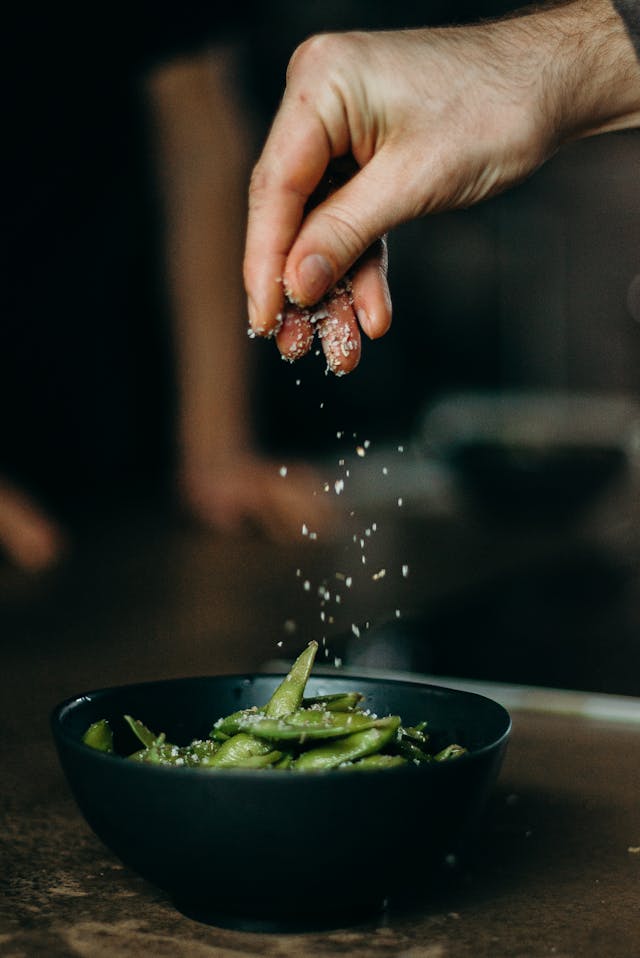
Salt sits quietly in almost every meal we eat. It seasons our food, preserves convenience meals, and sneaks into sauces, snacks, and even foods that don’t taste salty at all. Yet when weight loss feels stuck, energy feels low, or motivation is fading, salt is rarely the first thing we look at. It should be.
This conversation isn’t about cutting salt completely or turning meals bland. It’s about understanding how salt truly affects your body, your weight loss progress, and your day-to-day energy — especially in a life already full of responsibilities, deadlines, and people depending on you.
Why the Scale Feels Unfair After “Doing Everything Right”
One of the most frustrating experiences on a weight loss journey is stepping on the scale after a good week of workouts and mindful eating, only to see the number stay the same or go up. Often, this has nothing to do with fat gain.
Salt causes the body to retain water. When sodium levels rise, your body holds onto extra fluid to maintain balance. That water weight can show up quickly on the scale, sometimes overnight. The result feels discouraging, even though no actual fat was gained.
This is especially common after:
- Eating packaged or restaurant foods
- Grabbing quick meals between errands and work
- Relying on sauces, seasoning cubes, or ready-made snacks
Understanding this alone can remove unnecessary guilt and self-criticism. The body is responding to sodium, not failure.
Salt, Hormones, and Cravings: The Hidden Loop
Salt doesn’t just influence water retention. It can quietly affect appetite and food choices.
Highly salted foods are often paired with refined carbs and fats. This combination stimulates appetite and encourages overeating, not because of lack of discipline, but because the brain is wired to seek more. The result is a cycle of craving, snacking, and feeling out of control around food.
Salt can also increase thirst, which is often mistaken for hunger. This leads to extra eating when the body simply needs water.
When Salt Works Against Fat Loss
Excessive sodium intake can slow visible progress in several ways:
- Persistent bloating that masks body changes
- Temporary weight spikes that affect motivation
- Increased cravings for processed foods
- Reduced workout performance due to dehydration
None of these mean weight loss isn’t happening. They simply make it harder to see and feel.
The Side of Salt No One Talks About
Completely eliminating salt is not the goal. Sodium plays a role in nerve function, muscle contraction, and fluid balance. Too little salt, especially alongside exercise and sweating, can lead to fatigue, dizziness, and poor workout recovery.
The issue is not salt itself, but the type, source, and amount.
Smart Salt Strategies That Fit Real Life
These approaches don’t require meal prepping for hours or cooking separate meals.
- Choose where salt comes from
Adding a small amount of salt during cooking gives you control. Processed foods hide excessive sodium that’s hard to track. - Balance sodium with potassium-rich foods
Foods like spinach, avocado, bananas, beans, and sweet potatoes help counter water retention and bloating. - Hydrate consistently, not occasionally
Drinking water steadily throughout the day helps flush excess sodium and reduces false hunger cues. - Rethink sauces and seasonings
Sauces, seasoning cubes, salad dressings, and marinades are major sodium contributors. Using herbs, garlic, ginger, lemon, and spices adds flavor without the overload. - Watch patterns, not single meals
One salty meal doesn’t ruin progress. Regularly high sodium intake does. Focus on trends rather than perfection.
What to Expect When Sodium Is Balanced
When salt intake becomes intentional rather than accidental, changes often show up quickly:
- Reduced bloating within days
- More consistent scale readings
- Better workout endurance
- Improved digestion and comfort
- Fewer intense cravings
These wins build momentum and confidence, which matter just as much as calories and workouts.
A Mindset Shift That Changes Everything
Weight loss isn’t just about eating less or moving more. It’s about working with your body instead of fighting it. Salt awareness is a small adjustment that creates a noticeable ripple effect.
Progress becomes less emotional and more informed. Setbacks feel temporary instead of personal. Trust grows — in your body and in the process.
You’re Not Behind, You’re Learning
Many women struggle for years without realizing how much water retention and sodium are affecting their results. Awareness brings relief and clarity, not restriction.
Supportive tools, simple nutrition solutions, and recovery-focused resources can make this journey lighter and more sustainable. You’re invited to explore products thoughtfully designed to support weight loss, fitness, and recovery by visiting the link in bio.
You deserve progress that feels encouraging, not exhausting.
Disclaimer:
The information on Health Shred is here to educate and inspire, but it’s not meant to replace professional medical advice. We encourage you to check in with your doctor before starting any new exercise, diet, or wellness routine — everyone’s body is unique, and what works for one person may not work for another. Your health and safety always come first!

 HEALTH SHRED
Leave a comment